Addiction Recovery Isn’t Retreat.

It’s Reinvention.

Traditional treatment gets people sober.

But addicts often face crushing financial problems:

  • Housing instability
  • Job loss
  • Medical bills
  • Employment gaps
  • Credit card debt
  • Unpaid child support
  • Legal fines

Addiction Treatment meets the AI Economy

AI opens up new work opportunities for recovering addicts to get back on their financial feet.

Addiction recovery that leverages the AI economy for:

Financial Recovery

Career Preparation

Skills for Daily Living

Unleashing Latent Talent

Recovering addicts can be creative, visionary and entrepreneurial problem solvers. YES Creative Change aims to give them vocational opportunities to realise their full potential and make a good living doing it.

Here’s how:

12-step–based addiction recovery

Occupational therapy for everyday functioning

Financial sobriety and recovery through 12-step tools

Vocational exploration and training in the AI economy

Entrepreneurial incubator supporting innovative ideas

We’re currently in Phase 0 discovery stage, and we need your help!

Together, we can shape the future of recovery through purpose and innovation.

  • Clarifying the long-term vision
  • Validating assumptions
  • Establishing a strategic growth model
  • Developing key partnerships

Business Model Canvas

Value Proposition

Traditional treatment separates recovery from real life.

Yes Creative combines:

  • Addiction Recovery
  • Occupational Therapy
  • Financial and Vocational Skill Building
  • Entrepreneurial Opportunity

Our integrated system helps people build a sustainable, independent, purpose-driven life.

Key Activities

  • Deliver evidence-based addiction recovery and 12-step-based financial recovery programming.
  • Provide vocational assessment, training, and professional job placement.
  • Operate an entrepreneurial incubator where participants co- develop real-world business ideas.
  • Offer technology and Al implementation services through an Aveda Institute-style training model.
  • Integrate occupational therapy to rebuild daily function, executive skills, and healthy routines.
  • Maintain partnerships with industry, government, and education for pipeline development.

Key Partnerships

  • Government: DHS, DEED, Medicaid, CareerForce, Dislocated Worker Program, Department of Corrections.
  • Education: Community colleges, universities, vocational training providers.
  • Recovery & Health: Treatment centers, sober housing networks, and recovery nonprofits.
  • Private Sector: Employers, tech companies, startups, and investors.
  • Community & Philanthropy: Foundations, donors, and local nonprofits.

Customer Segments

  • Government & Payers: Medicaid, DEED, and state workforce programs funding treatment and training.
  • Private Insurers: Covering treatment and therapeutic services.
  • Employers & Nonprofits: Purchasing shared-services support or training outcomes.
  • Startups: Launched within the incubator and using shared back- office services.
  • Participants: Individuals in recovery receiving treatment, training, and employment placement.

Customer Relationships

  • Long-term, partnership-based relationships across public, private, and nonprofit sectors.
  • High-touch, high-accountability relationships with individual participants.
  • Community-driven alumni network for peer support, mentorship, and job connections.

Channels

  • Professional and recovery networks, referral partnerships, and word of mouth.
  • Relationships with treatment providers, probation officers, workforce centers, and employers.
  • Conferences, LinkedIn, and digital storytelling to attract partners and donors.

Key Resources

  • Licensed clinicians, LADCs, and occupational therapists.
  • Vocational trainers and Microsoft/Al certification partners.
  • Shared-services center infrastructure (IT, HR, accounting), strategic partnerships across public and private sectors.
  • Real estate: physical space for treatment, training, and incubator activities.

Revenue Streams

  • Medicaid reimbursements and government workforce development funding.
  • Contracts with employers and nonprofits for shared-services and tech implementation.
  • Grants, donations, and foundation funding.
  • Equity stakes in incubated startups.
  • Private pay for treatment and career services.

Cost Structure

  • Salaries and benefits for clinicians, OTs, trainers, and administrative staff.
  • Facility lease or purchase, renovation, and maintenance.
  • Technology infrastructure (hardware, software, licenses).
  • Insurance, compliance, and accreditation costs.
  • Marketing, fundraising, and partnership development.

Business Structure and Ownership Model

  • A hybrid public-private partnership combining nonprofit and for-profit entities.
  • Nonprofit: Covers treatment, training, and services funded by public programs (Medicaid, DEED, etc.).
  • For-Profit: Includes tech implementation, incubator startups, and shared-services offerings.
  • Co-op Model: Facilities may evolve into employee- or community-owned centers offering wraparound supports like childcare.


Together, these models ensure ethical use of taxpayer funds while creating sustainable, community- rooted economic growth.

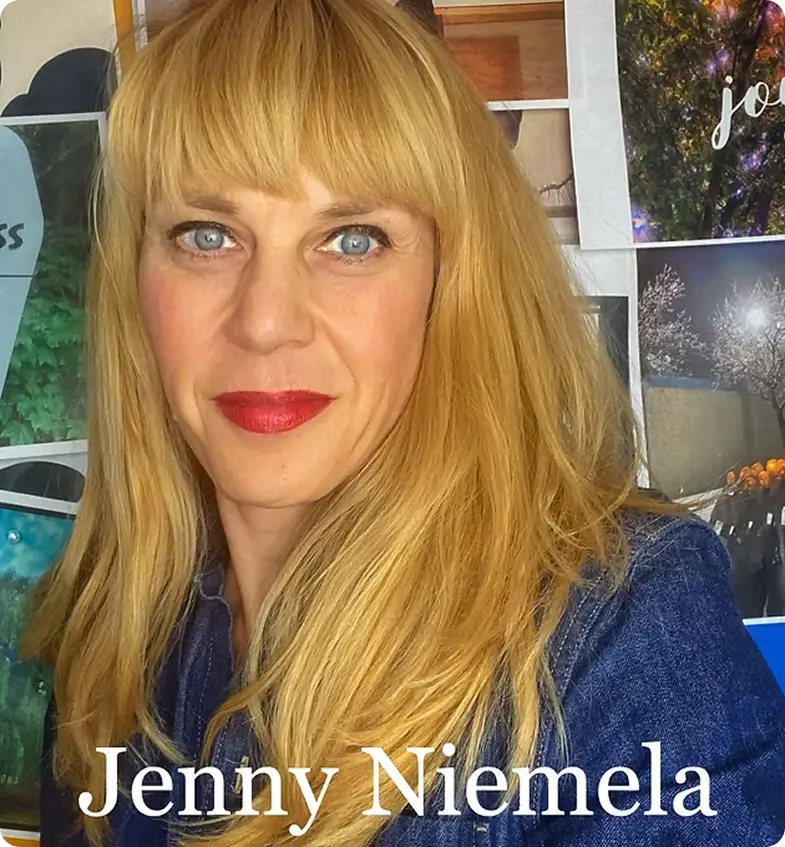
Jenny Niemela

ADHD Visionary who needs help making this come to life.

Who the heck came up with this crazy idea?

Jenny Niemela is an AI technology leader, behavior change expert, and creative visionary focused on building AI tools and brands that strengthen human connection rather than disrupt it. Jenny has been in recovery through 12-step programs for almost two decades. Inspired by her personal experience of instantaneous transformation in recovery, she brings deep expertise in psychology-based behavior change and enterprise-wide transformation.

She has led technology and change management work with leading healthcare organizations including Medtronic, Abbott, 3M, and Sanofi. She has worked with numerous addiction recovery and behavioral health groups such as Sage Prairie Clinic, Minnesota Recovery Connection, Family Recovery Resource Experts, Haloasis, Nurses Peer Support Network, and Silver Sobriety

A finalist in the Minnesota Cup Startup Competition Impact Ventures division in 2020, Jenny previously built a successful creative agency and now channels her experience into people-first AI strategy and recovery innovation. She holds an MBA from the Carlson School of Management (University of Minnesota), an MA in Literature from the University of Helsinki, and an Advanced Certificate in AI and Product Strategy from Northwestern University.

Outside of work, Jenny is a mom, spiritual seeker, wood-burning sauna and cold-plunge enthusiast, and leader of women’s trips to the Boundary Waters Canoe Area—a believer in the power of community, creativity, and joyful purpose.